Katha, a village in the fertile Upper Doab on the banks of the Yamuna, lies approximately 35 kilometres from Akshardham Temple, 15 kilometres from Loni and 5 kilometres from Baghpat. The history of this region reaches back to the Vedic period. Local traditions associate Loni with Lavanasura of the Ramayana, while Baghpat is traditionally identified with Vyagprastha, the “Land of Tigers”, associated with the Pandava brothers of the Mahabharata. Nearby Barnava is traditionally identified with Lakshagarha, the palace of wax said to have been built by Purochana for an attempt on the lives of the Pandavas.
The Qazis of Katha
The presence of the widely respected Qazis of Katha is indicated from well before the 13th century AD. Royal decrees, or Shahi Firmans, record the granting of lands and estates to the Qazis of Katha, whose principal and honoured vocation, as the word Qazi suggests, was the dispensation of justice.
For centuries, Katha remained an important centre of justice. During the Mughal period, the Qazis continued to hold prominent positions as judges and justices, and courts were convened at Katha to dispense justice. This tradition continued beyond the Mughal period and well into the early 20th century.
Katha in the Time of Timur
The importance and strategic location of Katha in the medieval period are recorded in the Zafarnama (Book of Victories) by Maulana Sharaf al-Din Ali Yazdi, a major historical account of Timur and the Timurid dynasty. The work was completed in the 15th century and is included in The History of India as Told by Its Own Historians, edited by Sir H. M. Elliot and John Dowson.
Following the sack of Delhi, Timur remained in the city for fifteen days before marching eastwards. On 23 Rabi'u-l Akhir 801 AH (2 January 1399), he marched from Wazirabad, crossed the Yamuna and proceeded to Mudula. On 24 Rabi'u-l Akhir 801 AH (3 January 1399), he marched onwards and encamped at Katah (Katha). There, Bahadur Nihar and his son Kaltash arrived with tribute and presents and were granted an audience. On the following day, 25 Rabi'u-l Akhir 801 AH (4 January 1399), Timur marched to Baghpat, six kos distant.
The reference to Katah (Katha) in the Zafarnama provides a valuable historical record of the village during Timur's campaign.
The White Peacock
Alongside the written record lives an oral history passed down through generations. According to this tradition, aware of Timur's fondness for flowers and exotic birds, the Qazi of Katha presented him with a white peacock. The gesture is remembered as an act of wisdom and diplomacy, intended to protect the people of Katha and the surrounding villages from Timur's army.
The white-peacock account is preserved as oral history and should be understood as such, distinct from the documented account of Timur's encampment at Katha in the Zafarnama.
Mughal Shikargahs
During the Mughal era, Katha maintained its prominence as both a centre of justice and a favoured Shikargah — a hunting ground for Mughal kings and nobility. The surrounding countryside offered the forests, fields and open landscape sought for royal hunts, with Katha serving as one of the region's notable locations.
The village continued to hold its importance through successive periods, and the practice of convening courts at Katha survived well beyond the end of the Mughal Empire.
Katha & 1857
Katha also holds a place in the history of the First War of Independence of 1857. According to the historical account preserved with the haveli, a Panchayat of more than 5,000 farmers and landlords was organised at Katha during the uprising.
The events of this period were recorded by George Puech Shor, a French eyewitness of the upheaval, in his Urdu diary Waqa'i-e-Hairat Afza (Incredible Events). Modern scholarship identifies Shor as an Urdu littérateur who wrote an eyewitness diary during the 1857 uprising.
From Noble Houses to Ruins
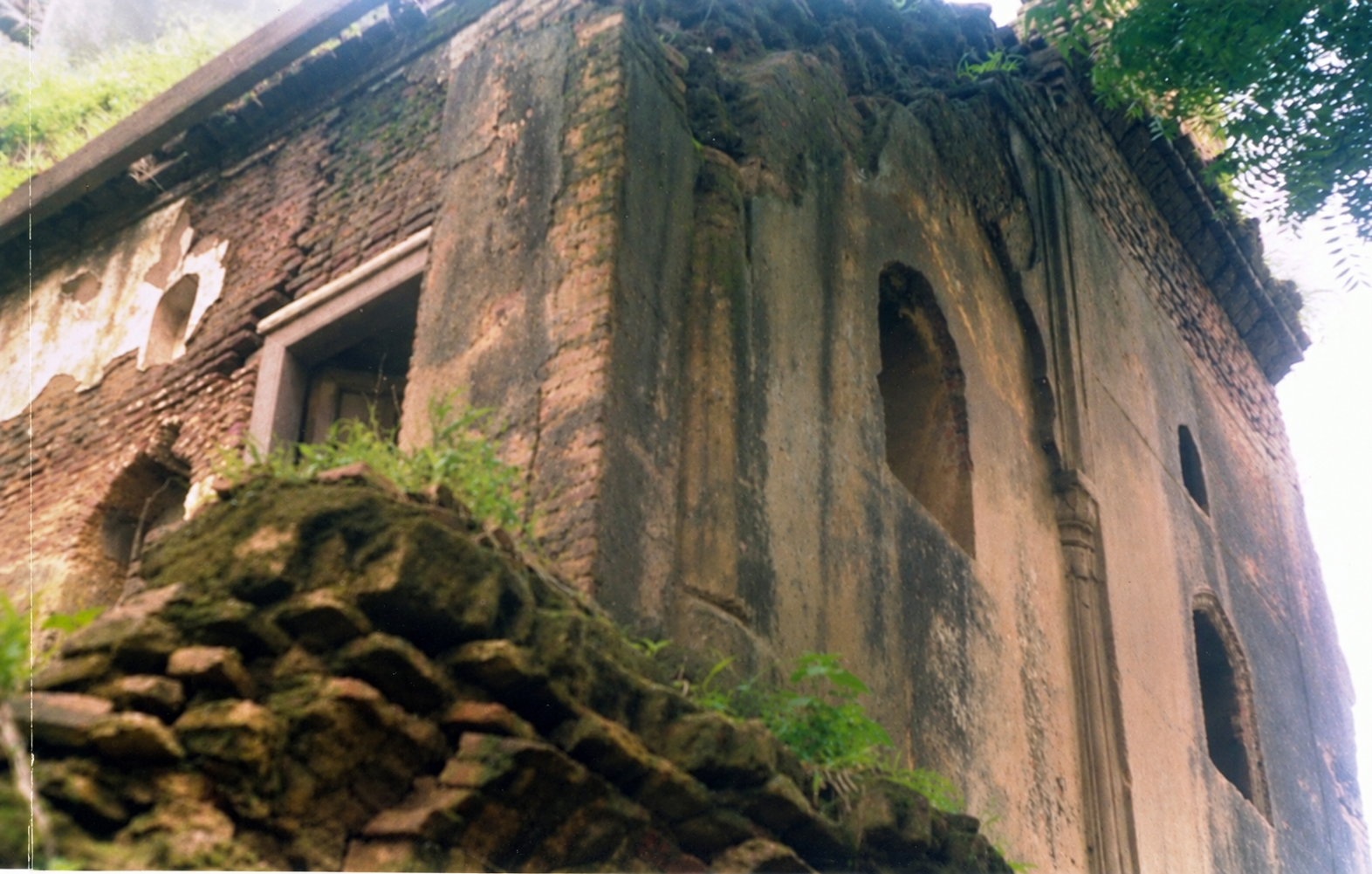
Between the 13th and 18th centuries, few noble houses and mansions were built upon the elevated mound of Katha, many associated with the Qazis. Over time, political, economic and social upheavals brought the decline of lands and estates. Loss of income and the migration of families to other parts of India and the world left many of these grand homes abandoned and uncared for.
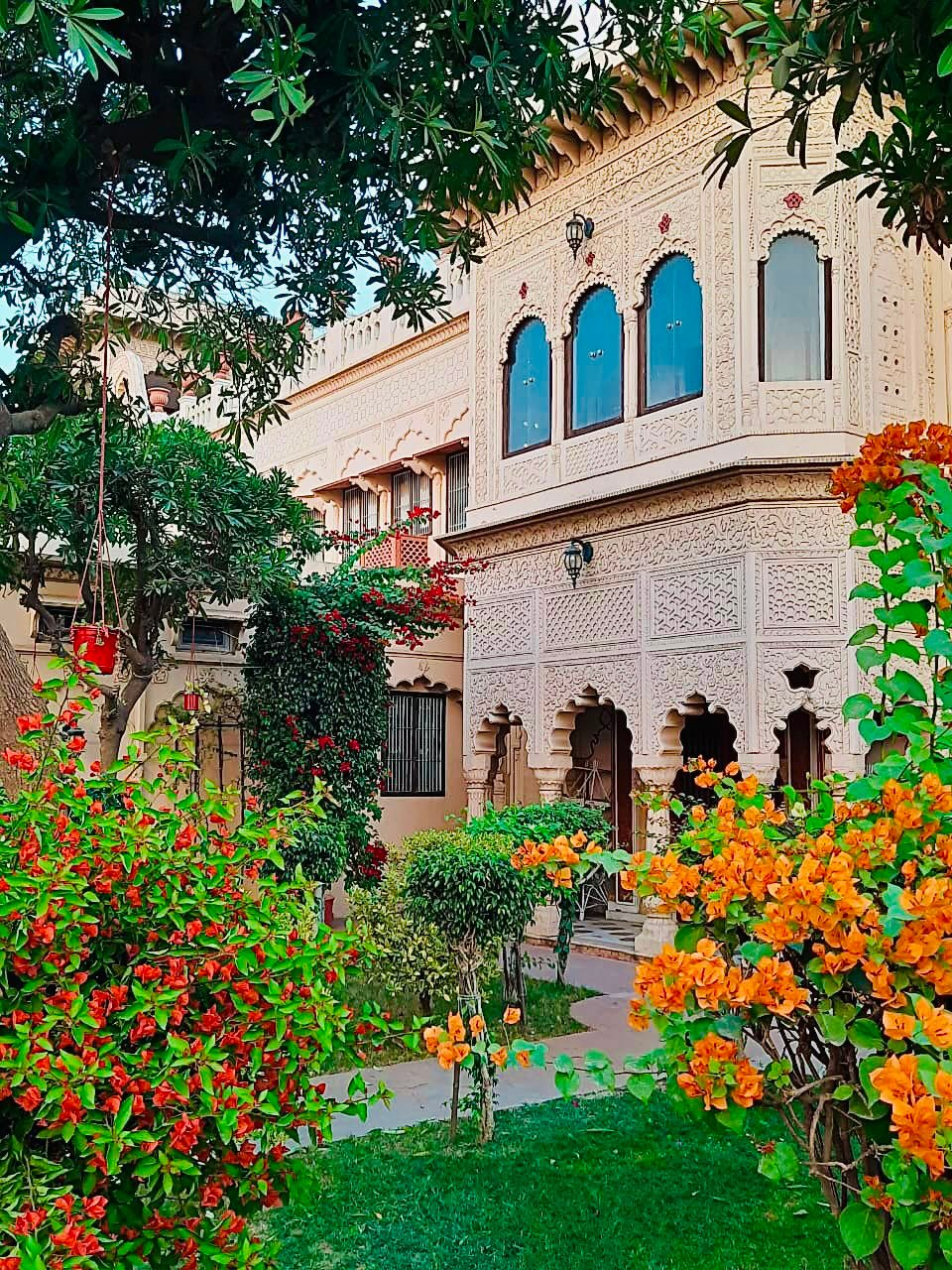
By the mid-20th century, Katha's once-grand mansions had fallen into ruins or been reduced to rubble and dust. Among the surviving remnants were the historic structures that would eventually be restored and preserved as Shikwa Havelis — carrying forward the history of Katha, its courts, its people and its centuries-old heritage.

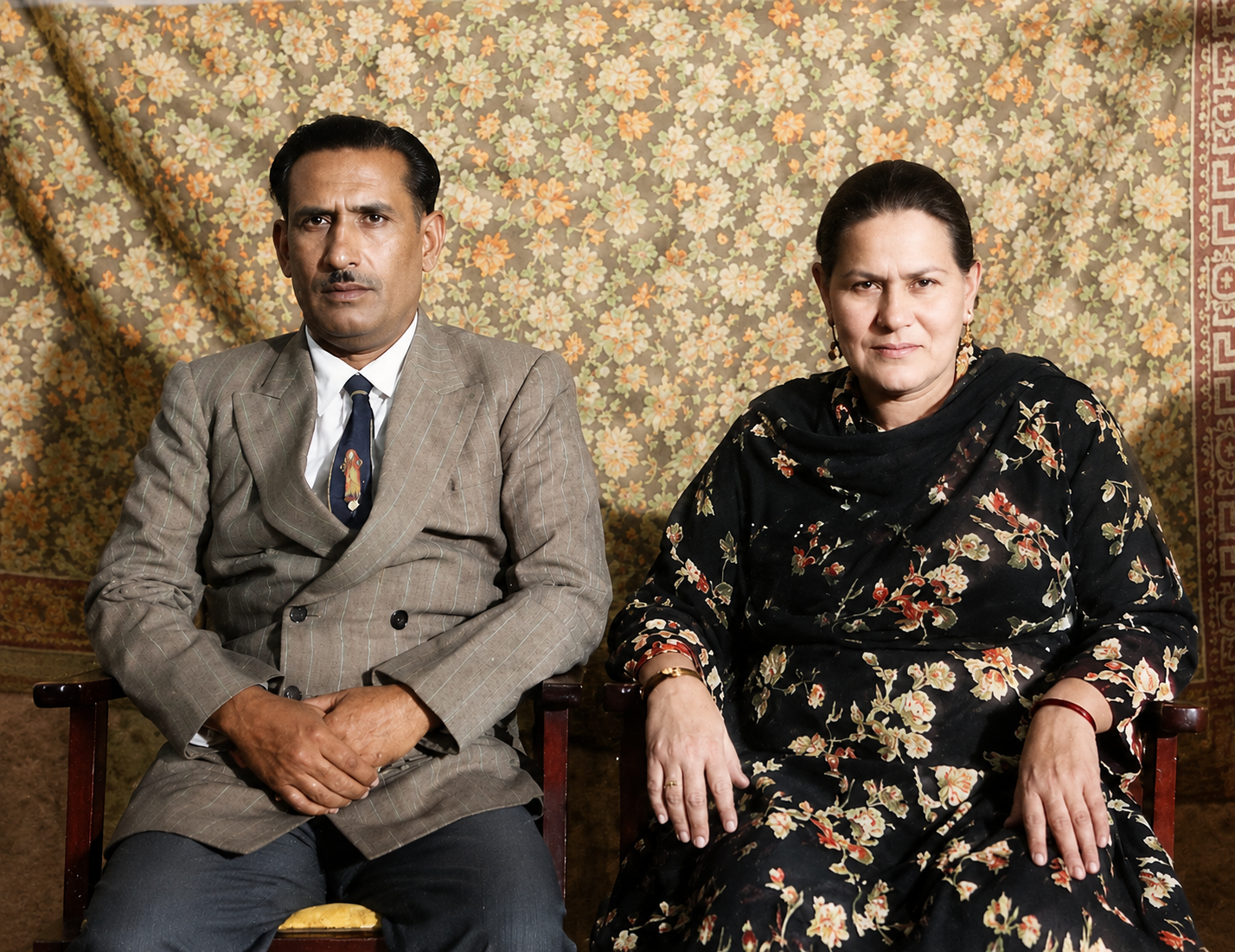
In dedication“Shikwa Havelis” are a celebration of the indomitable Human Resolve, Perseverance and Endeavour and dedicated to the epitome of these finest of the human virtues. Raza-ul-Haq Siddiqi and Noor Jehan Begum